

ABOUT VERTIGO

Vertigo is not a disease but a symptom that can arise from various underlying conditions. It is essential to differentiate vertigo from general dizziness, as the former specifically refers to a false sense of movement, often described as spinning or swaying. The causes of vertigo can be broadly classified into peripheral and central origins.

Prevalence of vertigo increases with age, reaching 40% in patients > 40 years

Dizziness, including vertigo, affects about 15% to more than 20% of adults yearly in large population-based studies.

The dizziness can happen without warning, increasing the risk of falling and fractures

“What causes vertigo?"

Vertigo is classified into two main types: peripheral and central.

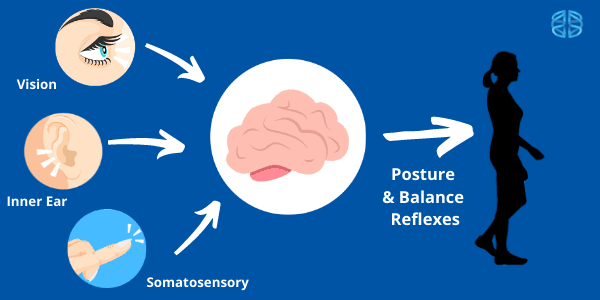
Peripheral vertigo originates from disturbances in the vestibular system, which includes the inner ear and vestibular nerve. The inner ear contains structures that help regulate balance. When these structures are compromised, it can lead to vertigo. BPPV, for example, involves tiny calcium particles clumping in the inner ear canals, disrupting normal balance signals to the brain.

Central vertigo is linked to the brain’s coordination centers, particularly the cerebellum and brainstem. This type of vertigo can be a result of neurological disorders, such as multiple sclerosis, or vascular issues like strokes. Central vertigo is often more severe and persistent than peripheral vertigo and may be accompanied by other neurological symptoms.

Sign & Symptoms of Vertigo

  • The primary symptom of vertigo is a spinning sensation, but it can also include imbalance, nausea, vomiting, and difficulty focusing. Patients often describe feeling as though the room is moving around them, which can be disorienting and distressing. Symptoms can be episodic or constant, depending on the underlying cause.
  • Accurate diagnosis is the cornerstone of effective vertigo management. A comprehensive assessment involves a detailed patient history, physical examination, and specialized tests

Medical Management:

Pharmacological interventions are often the first line of treatment. Antihistamines, such as meclizine, can help reduce vertigo symptoms by suppressing the vestibular system. Diuretics may be prescribed for Meniere's disease to reduce fluid buildup in the inner ear. In cases of vestibular neuritis, corticosteroids can help reduce inflammation.

The Canalith Repositioning Procedure (CRP)

The Canalith Repositioning Procedure (CRP) is designed to treat benign paroxysmal positional vertigo (BPPV) through induced out-migration of free-moving pathological densities in the endolymph of a semicircular canal, using timed head maneuvers and applied vibration.

Surgical Interventions:

Surgical options are considered when medical management fails. Endolymphatic sac decompression for Meniere's disease, or vestibular nerve section for intractable vertigo can provide significant relief.

Vestibular Rehabilitation:

Physical therapy plays a crucial role in managing vertigo, especially for conditions like BPPV and vestibular neuritis. Vestibular rehabilitation exercises aim to improve balance and reduce dizziness by retraining the brain to compensate for inner ear dysfunction. Techniques such as the Epley maneuver for BPPV can reposition dislodged calcium crystals, providing rapid symptom relief.